
The Idea In 60 Seconds
- Since World War 2, Boomers and GenX have been offered the same fundamental social contract : Work full time, you’ll be able to afford to buy a house, raise a child and have some fun along the way.
- The economic effects of COVID (among other things) have changed that.
- 46% of Australians live in paycheck to paycheck.
- Birth rates are down and part of the reason for that is that people can’t afford to have kids.
- Rents are so high, people can’t pay them.
- And here comes AI with its whirlwind economic Impacts on particular segments.
The Post WW2 Western Social Contract
Generally, since World War 2 people with a full time job have been able to afford a place to stay, raise a child and maybe have some fun along the way. We expect a holiday, a dinner out or a takeaway here and there. These things literally constitute what Australians (and those in other Western countries) call a ‘good life’.
It’s getting to the point in the West, now, that lower income earners can no longer afford the dream. That’s a fundamental change in the social contract and it has significant implications.
Post covid inflation has declined real living standards. Nowhere in the world is that more true than in Australia.
1. Many Australians Live In Financial Uncertainty
- 46% Of Australians Live Paycheck To Paycheck:
Finder (a fine company who recognize a good asset when they see it) reports that about 46% of Australians—equivalent to nearly 6.9 million people—live paycheck to paycheck, meaning they have little to no financial buffer in case of unexpected expenses or job loss. The problem is most pronounced among households earning between $50,000 and $99,000, where over 60% of individuals live paycheck to paycheck - 17% of Workers:
Say they would only be able to make ends meet for a week or less if they were suddenly unemployed.
2. Birth Rates Are Declining, Partly As A Result Of Lower ‘Real’ Wages.
- Birth Rates Are Declining:
Economic factors, including stagnant real wages, and uncertain job markets make it difficult for younger generations to afford raising children. This has led to a significant decline in birth rates in high-income nations, which now struggle with shrinking workforces and an aging population. For example, fertility rates in many developed nations are well below the replacement rate of 2.1 children per woman. - 50% of young Australians say they cannot afford to have children.
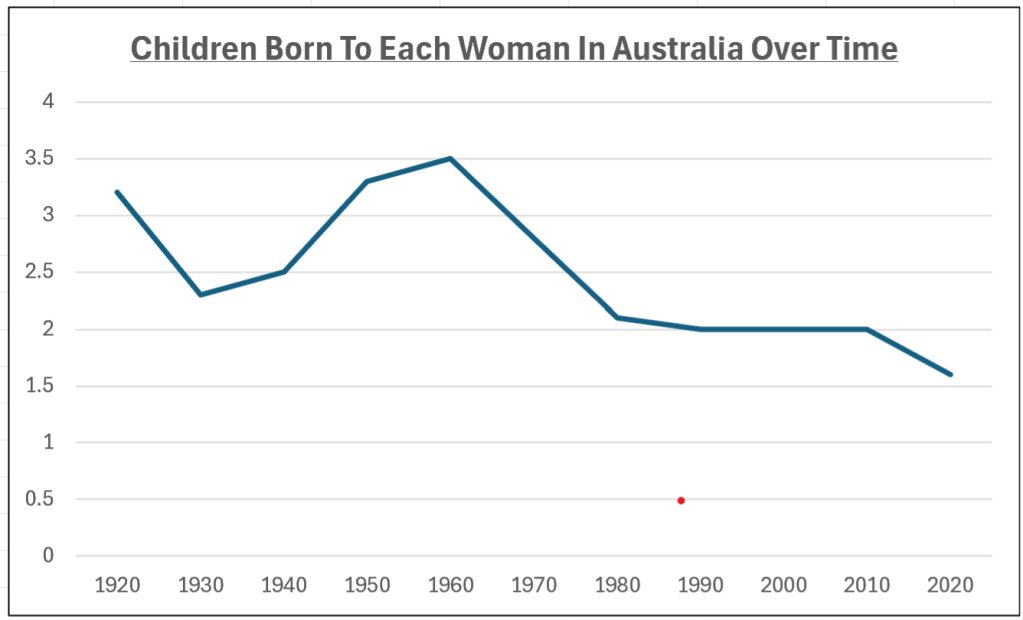
Source: As embedded link above.
3. Unaffordable Housing
- Rising rents post COVID as well as heightened immigration levels:
Are raising the risk of homelessness, disproportionately affecting lower income earners. - Unaffordable Units:
The proportion of rental units affordable to those on low income fell from 44% to 33% in 2021 alone.
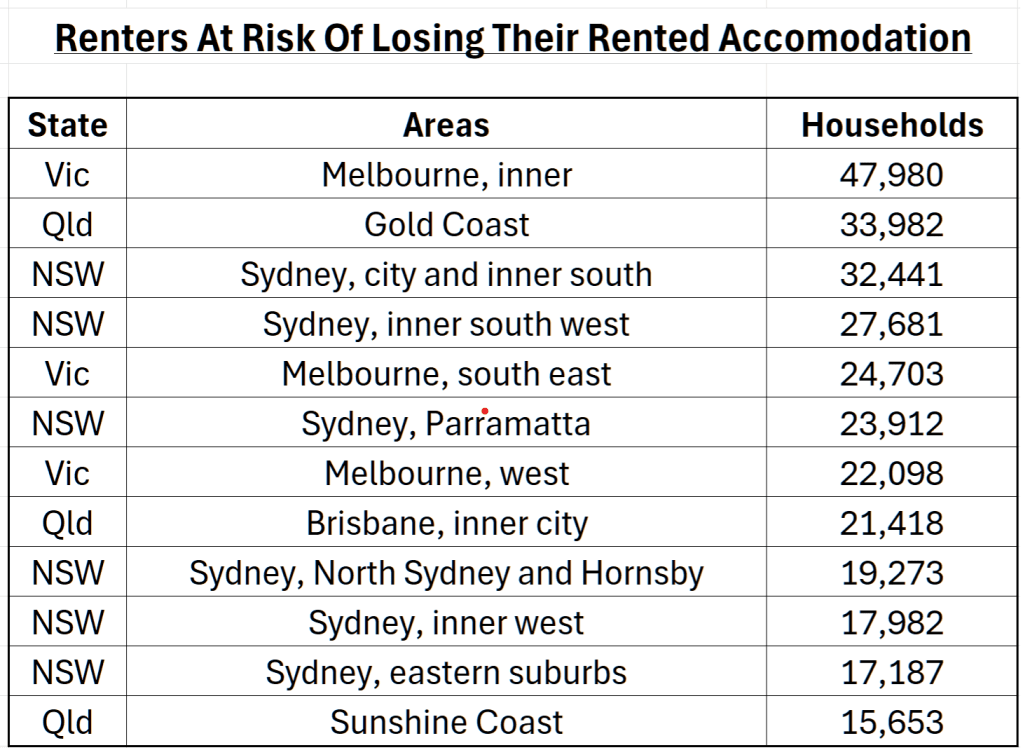
Source : As embedded link above.
Time for The Pitchforks?
So, people are living paycheck to paycheck, they can’t afford to have kids and rents are so high people can’t pay them, risking homelessness. The concept that the social contract has changed fundamentally is not yet mainstream idea but it seems obvious that it’ll will become increasingly clear to people in time. Their political and economic systems are failing them. I’d be angry. My question is – when do the pitchforks come out?
The best way to make a baby cry is to give it a lollypop and then take it away. Historically, mass uprisings occur when people feel they have little left to lose. Are we closing in on that time?
Useful Policy Responses
In my last article I wrote about how Marx saw capitalism as essentially exploitative of its workers.
In this article I’ve presented evidence that, accentuated by the economic effects of COVID, the fundamental social contract available to people in the West (I’ve focused particularly on Australia) is no longer available.
Australia is splitting in to a 2 strata economy, renters and owners. A minimum wage worker with a full time job can afford to buy a house, raise a child and have a bit of fun along the way.
To this context, we now add the prospect of AI automation. (Remember Marx said Capitalists have an incentive to automate human jobs because technology is cheaper?)
Useful government policy might include a nation program to build a supply of houses to lower prices, regulatory changes to ensure a higher share of the productivity enhancements offered by AI go to workers rather big business and attention to short term issues such as segments particularly affected by these issues until their structural cause is addressed.
It’s a shame to see such a lack of vision and leadership from our politicians given the changing times and the fundamental importance of these concepts to the Australian way of life.
 Neil Aitken - Blog